CALL US
Divorce

Divorce
Divorce is a significant personal and financial decision. Even where both people agree that a marriage has come to an end, there can be important questions to resolve around finances, property, pensions, children and what life will look like afterwards.
At Scomo, our family lawyers provide clear, practical advice throughout the divorce process. We take the time to understand your circumstances, what matters to you and where potential difficulties may arise, so that you can make informed decisions about the next stage of your life.
Where matters can be resolved constructively, we will help you find a sensible way forward without unnecessary conflict. Where negotiations are difficult, finances are complex or your interests need greater protection, we can take a firmer approach.
How does divorce work?
Divorce in England and Wales is now based on the irretrievable breakdown of the marriage. You do not need to prove adultery, unreasonable behaviour or another form of fault in order to divorce.
An application can be made by one spouse or jointly by both spouses.
There is a minimum period of 20 weeks between the divorce application being issued and applying for the Conditional Order. Once the Conditional Order has been made, there is then a further minimum period of six weeks and one day before an application can be made for the Final Order, which formally ends the marriage.
Although the divorce process itself is relatively structured, the wider issues surrounding separation can be much more complicated.
Divorce and your finances
Getting divorced does not automatically resolve the financial relationship between you and your former spouse.
Property, savings, investments, pensions, business interests, income, debts and other assets may all need to be considered. In many cases, it is important to deal with the financial settlement alongside the divorce and to make sure any agreement reached is properly formalised.
If you reach an agreement, this can usually be submitted to the court as a consent order. Once approved, the order provides greater certainty about the financial arrangements between you.
If agreement cannot be reached, an application can be made for the court to determine the financial arrangements.
Our family lawyers can advise you on your financial position from the outset, help you understand the possible outcomes and work with you to determine the most appropriate way of reaching a settlement.
What does the court consider when dividing finances?
There is no automatic formula for dividing matrimonial assets.
The court considers the circumstances of the individual family, including each person’s financial resources and earning capacity, their needs and responsibilities, the standard of living during the marriage, the length of the marriage, the parties’ ages, health and the contributions each has made to the family.
Where there are children under 18, their welfare is the court’s first consideration.
The objective is to reach a fair outcome, but what fairness looks like will vary considerably from one family to another. This is why obtaining advice based on your particular circumstances can be important before agreeing a financial settlement.
Do divorce finances have to go to court?
No. Many financial settlements are resolved without a final court hearing.
Options can include direct negotiation between solicitors, mediation, private financial dispute resolution, arbitration and other forms of non-court dispute resolution.
The right approach will depend on the circumstances. A cooperative process can work very well where both parties are transparent and willing to negotiate, while other cases require greater structure or court intervention.
Current Family Procedure Rules place a strong emphasis on considering appropriate non-court dispute resolution before and during financial proceedings. However, there are circumstances where this will not be appropriate, particularly where there are safety concerns, domestic abuse, a significant imbalance between the parties or urgent issues involving assets.
Financial disclosure
A fair financial settlement depends on both parties having an accurate understanding of the financial position.
This can involve disclosure of property, mortgages, bank accounts, savings, investments, pensions, business interests, income, liabilities and expenditure.
Where formal financial proceedings are issued, both parties are normally required to complete a Form E giving detailed information about their finances and supporting documentation. Similar disclosure can also be exchanged voluntarily when parties are trying to reach an agreement outside court.
If there are concerns that assets have not been fully disclosed, further enquiries may be necessary.
Divorce and children
Divorce itself does not determine arrangements for children.
Many parents are able to agree where children will live, how their time will be divided and how important decisions will be made. Where agreement is difficult, our family lawyers can advise on the options available and the steps that can be taken to protect a child’s welfare.
Issues concerning children and financial arrangements will often overlap, particularly when decisions need to be made about the family home, housing requirements and ongoing financial support.
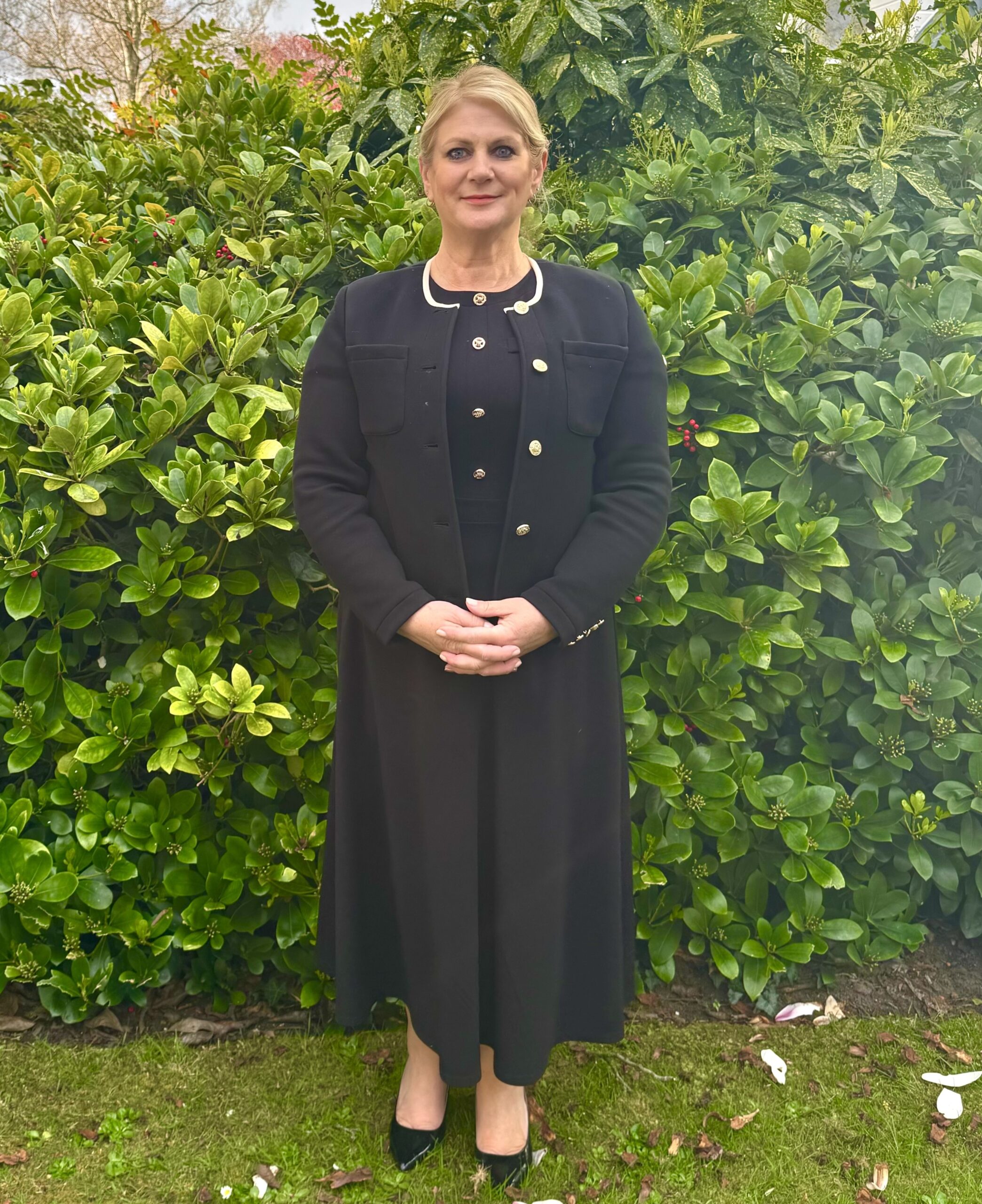
Clare Charnley is a Family Law Solicitor and High Court Advocate, and deals with divorce and financial matters relating to divorce when there are children act or family law act proceedings involved. Known for her careful preparation and calm, steady representation, Clare takes a client-centred approach, providing clear and practical advice so that clients can make informed decisions during what is often a difficult time. Clare is also a specialist in children law, domestic abuse, and safeguarding cases. Email: [email protected]
High Net Worth Divorce
High net worth divorce involves the same legal principles as any other divorce, but the financial picture can be considerably more complex.
Wealth may have been accumulated over several decades and may be held in different forms, through businesses, investments, pensions, trusts, property portfolios or assets in more than one jurisdiction. There may also be questions surrounding inherited wealth, assets owned before the marriage, complex remuneration structures or the tax consequences of different settlement options.
For clients with substantial or complicated finances, the issue is rarely simply how to divide a collection of assets. It is about understanding the structure of wealth, identifying what needs to be protected and reaching an outcome that works in practice for the years ahead.
Consultant Solicitor Mary Lowe has more than 30 years’ experience in family law, with particular experience in high net worth and ultra high net worth divorce.
She advises business owners, senior executives and individuals in the public eye, including clients whose cases involve significant property portfolios, business interests, pensions and international assets.
Later-life divorce
Later-life divorce can create particular financial considerations. Pension assets may be substantial. Businesses may represent decades of work. There may be several properties or investment structures to consider, while retirement and succession planning can make the long-term consequences of a settlement especially important.
The focus therefore extends beyond the immediate division of wealth, and the decisions made may affect income, housing, retirement, tax planning and financial security for many years.
Complex assets require a clear strategy
High net worth divorce cases may involve privately owned businesses or partnerships, complex company structures, substantial pensions, investment portfolios, trusts, inherited or pre-marital assets, property portfolios, agricultural land and farming businesses, cryptocurrency and other digital assets, overseas assets and questions about the true value or ownership of particular assets.
Understanding the complete financial picture is an important first step.
Depending on the case, this may require input from specialist professionals such as forensic accountants, pension experts, tax advisers, valuers and experienced family counsel.
Mary and Clare work closely with trusted specialists where necessary, bringing the appropriate people into the case at the right stage rather than adding unnecessary complexity.
Business interests and divorce
A business can be one of the most difficult assets to deal with during a divorce.
Questions may arise about its value, ownership, liquidity, future earning potential and the extent to which it represents matrimonial wealth. Extracting significant capital from a business may also have commercial or tax consequences.
For an owner-managed company, the business may simultaneously represent an asset, a source of income and the owner’s long-term financial security.
Careful consideration is therefore needed before decisions are made about valuation, share transfers, lump sums or the way other assets are used to offset business interests.
Property, pensions and investments
High net worth financial settlements frequently involve assets that cannot sensibly be considered in isolation.
A valuable property portfolio may generate income. A pension may hold substantial long-term value but offer limited immediate liquidity. Investments may carry tax implications if sold or transferred.
A settlement that appears equal on paper will not necessarily place both parties in the same financial position.
We therefore consider both the value and the practical consequences of different assets when advising on settlement options.
International assets
Where one or both spouses have connections overseas, divorce may involve additional questions around jurisdiction, overseas property, international investments or assets held through foreign structures.
It can be important to obtain advice at an early stage, particularly where proceedings could potentially be started in more than one country or where overseas professional advice may be needed.
Hidden assets and financial disclosure
Full and frank financial disclosure is fundamental to resolving divorce finances fairly.
Where the financial arrangements are complicated, establishing the true position may require detailed analysis. Concerns can arise around undisclosed accounts, business interests, transfers of assets, unusual transactions or attempts to reduce the apparent value of wealth.
Where appropriate, Mary can work with forensic accountants and other specialists to investigate the financial position and determine what further information is required.
Divorce where there is coercive or controlling behaviour
Financial complexity is not always the only difficulty.
Mary increasingly deals with cases involving challenging relationship dynamics, including coercive or controlling behaviour and, in some circumstances, serious allegations of criminal conduct.
These cases require particular care.
A process built around informal negotiation may not be suitable where one person has been accustomed to controlling financial information or decision-making. Communication, disclosure, negotiation and the choice of dispute resolution process may all need to be approached differently.
Mary’s priority is to create a calm and structured environment in which clients can understand their position and make informed decisions, while taking firm action where their interests need protecting.
Resolving high net worth financial disputes
A high value case does not automatically have to become a court battle.
Where there is appropriate financial disclosure and both parties are willing to negotiate, cases can often be resolved through solicitors or another form of dispute resolution.
In other circumstances, court proceedings provide the structure required to obtain disclosure, secure expert evidence or enable a judge to determine the outcome.
If financial remedy proceedings are necessary, the process will normally involve a First Appointment, followed by a Financial Dispute Resolution hearing, known as an FDR. If settlement is still not possible, the case can proceed to a Final Hearing.
Mary will discuss the available routes with you and help determine which is most appropriate given the complexity of the finances, the relationship between the parties, the likely costs and the issues that need to be resolved.
A personal and pragmatic approach
No two divorces are the same.
For Mary, understanding what a client wants to achieve is as important as understanding the financial documents.
Some clients want matters concluded as swiftly and privately as possible. Others need a more robust strategy because assets are disputed, disclosure is incomplete or the behaviour of their former partner makes a straightforward negotiation unrealistic.
Mary combines a personal and supportive approach with straightforward advice about the strengths, risks and costs of a case.
She explains the available options clearly, keeps costs under review and works towards an outcome that reflects the client’s circumstances and priorities.
Mary is available by mobile 0780 3239370 and email: [email protected] to arrange a personal one to one appointment or remote appointment whatever is more convenient.
Frequently asked questions about divorce and finances
Can you help me sort out my finances when I divorce?
Yes. Reaching an appropriate financial settlement is a separate but important part of divorce.
We can advise on property, savings, investments, pensions, business interests, income, liabilities and other financial resources, together with the potential tax and longer-term consequences of different settlement options.
Even where separation begins amicably, disagreements can emerge once detailed financial disclosure takes place. We can help you negotiate an agreement or represent you through formal financial proceedings where necessary.
Do we have to go to court to resolve our finances?
Not necessarily.
Many couples resolve their finances through negotiation, mediation or another form of non-court dispute resolution.
For this to work effectively, both parties usually need to provide sufficient financial disclosure and engage constructively with the process.
If an agreement is reached, it can normally be submitted to the court for approval as a consent order without a contested final hearing.
What happens if we cannot agree?
If agreement cannot be reached through an appropriate form of negotiation or dispute resolution, an application can be made for a financial order.
Before making most applications, you will normally need to attend a Mediation Information and Assessment Meeting, known as a MIAM, unless an exemption applies.
We can discuss whether mediation or another form of dispute resolution is suitable before court proceedings are considered.
What happens during financial remedy proceedings?
The first main stage is normally the First Appointment. This enables the court to identify the issues, consider what further financial information is required and give directions about matters such as valuations or expert evidence.
The next stage is usually the Financial Dispute Resolution hearing. The parties are encouraged to negotiate and a judge can give an indication of the approach they might take to the case.
Many cases settle during or around this stage.
If agreement is still not possible, the matter can proceed to a Final Hearing where a judge considers the evidence and makes the financial orders they consider appropriate.
What orders can the court make?
Depending on the circumstances, the court has wide powers over matrimonial finances. These can include orders concerning property, lump sum payments, pensions and ongoing spousal maintenance.
The court may also be able to make urgent orders where there is a genuine risk that assets will be disposed of or arrangements made to defeat a financial claim.
The orders appropriate to your case will depend on the assets involved, each person’s needs and the wider circumstances of the family.
Can I protect my business during a divorce?
The existence of a business does not automatically mean that it will be divided or sold.
However, its ownership, value, income and relationship to the wider matrimonial finances may need to be considered.
Early advice can help establish how the business is likely to be treated and whether specialist valuation, accountancy or tax advice is required.
What happens to cryptocurrency and digital assets in a divorce?
Cryptocurrency and other digital assets can form part of the financial arrangements that need to be considered on divorce, just like more traditional investments and assets.
These holdings can create additional complexities. Their value may fluctuate significantly, assets may be held across different wallets or platforms and specialist input may sometimes be needed to establish their ownership or value.
Both parties are expected to provide full and frank financial disclosure, which includes relevant digital assets. Where cryptocurrency or other digital investments form part of the financial picture, we can advise on how they should be approached as part of the wider settlement and work with appropriate specialists where necessary.
Can you help with agricultural or farming divorces?
Yes. We can advise on divorces involving farms, rural estates, agricultural land and family farming businesses.
These cases can be particularly complex because the assets involved often have a much wider significance than their financial value alone. A farm may be the family home, the source of the family’s income and a business intended to pass from one generation to the next.
Farming families may also hold assets that have accumulated across several generations, sometimes involving land, business partnerships, trusts or different family ownership arrangements. Although the overall asset value may be substantial, the business itself can be relatively cash poor, which can make reaching a workable settlement more challenging.
Careful consideration therefore needs to be given to ownership, valuation, liquidity and succession, as well as the effect that any proposed settlement could have on the ongoing farming business. Where appropriate, we can work alongside agricultural valuers, accountants, tax advisers and other specialists to help find a solution that takes account of both the matrimonial finances and the practical realities of the farm.
What happens to pensions in a divorce?
Pensions can represent one of the largest assets within a marriage, particularly where a couple is separating later in life.
The court can make pension sharing orders and other financial orders involving pensions. Specialist pension advice may be needed where schemes are particularly valuable or complex.
It is important to assess pensions alongside the other assets rather than simply looking at their headline value.
What if I think my spouse is hiding assets?
Both parties are expected to provide full and frank financial disclosure.
If the information supplied appears incomplete or inconsistent, further questions and documentation can be requested. In complex cases, forensic accountants or other specialists may assist in analysing business accounts, transactions or financial structures.
Where necessary, the court also has powers to require disclosure and deal with attempts to conceal or dispose of assets.
How much will my divorce cost?
The cost will depend on the complexity of your circumstances, the amount of work required and whether agreement can be reached without lengthy proceedings.
Mary discusses costs openly with clients from the outset and keeps them under review as the case develops. Part of her approach is to consider whether each step is proportionate and what it is likely to achieve.
Speak to a divorce solicitor
If you are considering divorce, have recently separated or need advice about a financial settlement, speaking to a family solicitor early can help you understand your position before important decisions are made.
For high net worth and complex cases, early advice can be particularly valuable where there are businesses, pensions, international assets, substantial property interests or concerns about financial disclosure.
Contact Scomo to discuss your circumstances with a member of our Family Law team.
Key Contacts

Services for You
Services for Business
latest
news & blogs